Automotive paint restoration in Roosevelt, UT focuses on recovering usable existing finishes affected by fading, oxidation, dullness, and visible surface deterioration.
A finish can lose gloss, fade unevenly, develop oxidation, or simply look tired without automatically requiring complete repainting. The important distinction is how much usable finish remains. Restoration starts by reading that condition and separating recoverable deterioration from damage that has moved beyond practical revival.
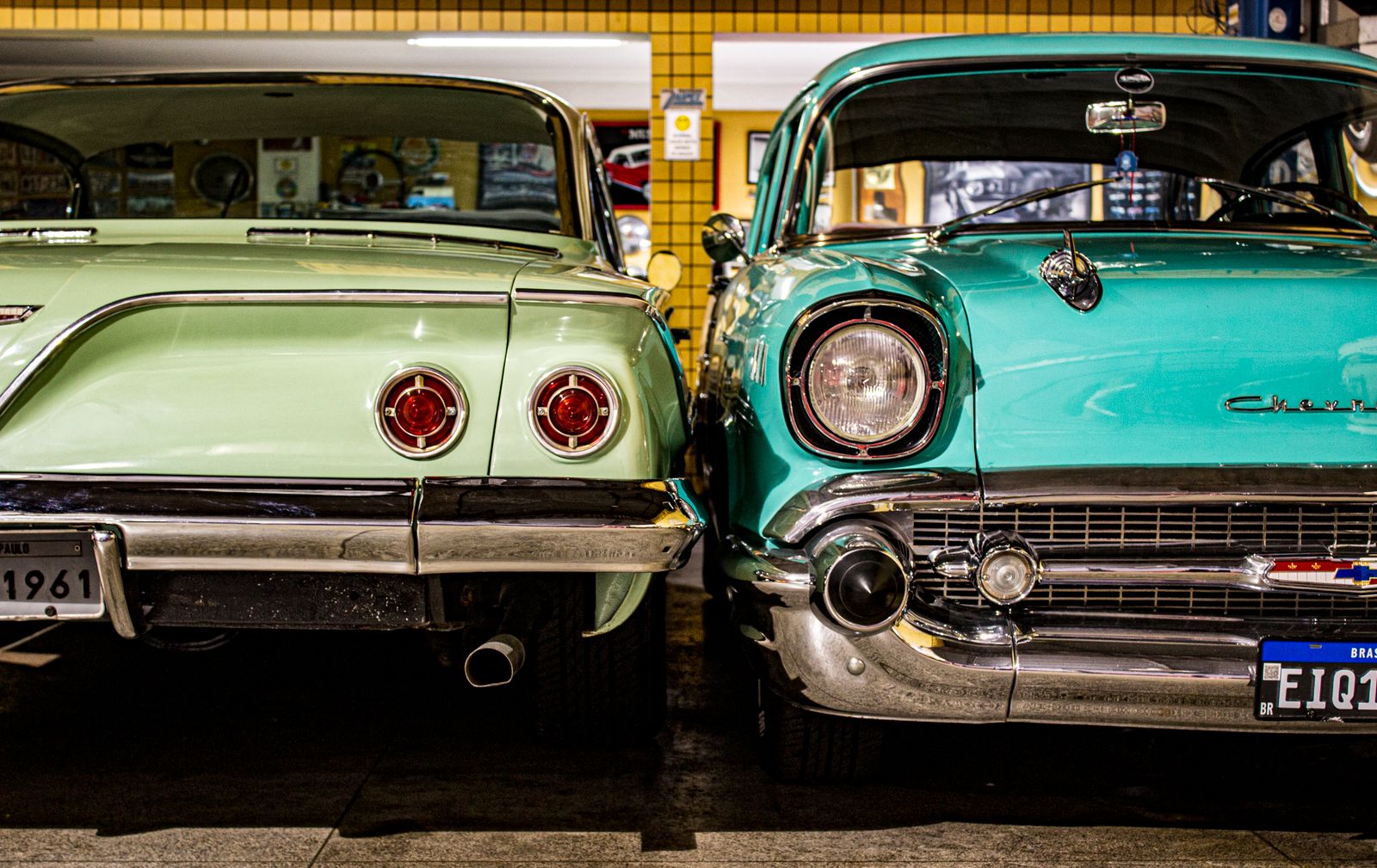
Surface Aging — Sun exposure, oxidation, and regular use can gradually reduce color depth and visible paint clarity.
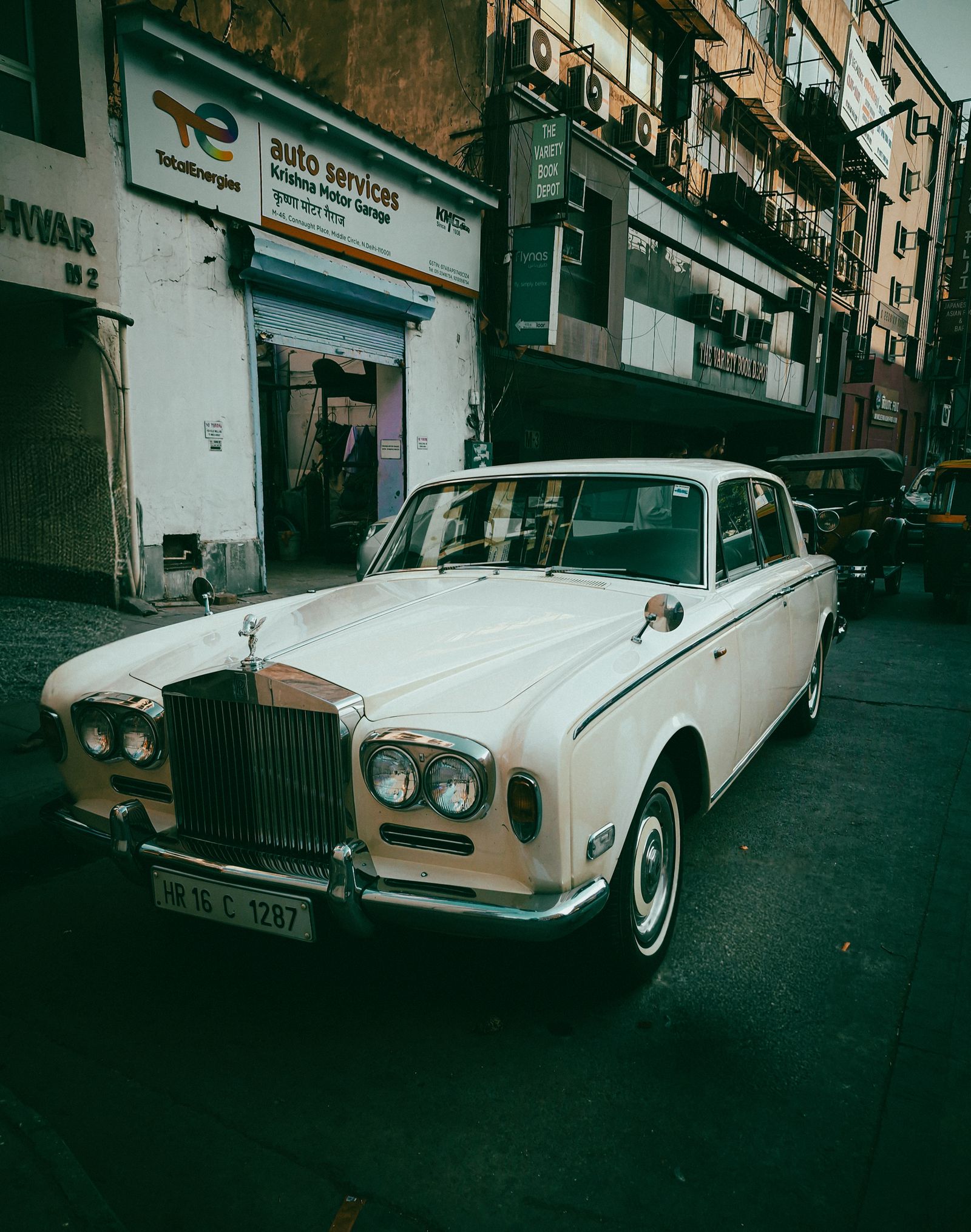
Finish Depth — The remaining condition of the paint and clear coat determines how much recovery is realistically available.
Failure Point — Once deterioration becomes too extensive, restoration gives way to refinishing or new paint rather than further correction.
Projects involving automotive paint restoration in Roosevelt, UT often begin with appearance changes owners have watched develop over time. Rather than treating every dull surface as the same problem, we separate the visible symptoms and consider what they reveal about the existing finish.
Restoration keeps the existing paint at the center of the project. When that finish remains usable, the work can focus on recovering clarity and appearance rather than immediately replacing it. The value comes from understanding the boundary between a finish that can still respond and one that needs a different solution.

This service is less about a fixed treatment and more about interpreting what remains in the finish. These conditions help determine whether restoration still has a practical role.
Step One
Step Two
Step Three
Fading, oxidation, gloss loss, previous finish condition, and visible deterioration establish the starting point.
We determine whether the observed condition still belongs in restoration or has crossed into broader refinishing.
Suitable areas receive restoration-focused attention aimed at improving the usable existing paint rather than replacing it.
If the finish has moved beyond restoration, the next recommendation shifts toward correction or repainting as appropriate.
No. Faded car paint restoration depends on how much usable finish remains. Surface fading and oxidation may still respond when deterioration has not progressed too far. In contrast, severe clear coat failure, deep paint breakdown, or extensive surface damage can move the vehicle beyond restoration and toward refinishing.
Paint correction services generally target correctable defects such as swirl marks, haze, light oxidation, and surface imperfections within an otherwise usable finish. Paint restoration addresses broader aging and deterioration, including fading, oxidation, gloss loss, and weathering. The boundary between them depends on the condition of the existing paint.
Some oxidation can be improved without repainting when the deterioration remains within a recoverable portion of the existing finish. Deeper oxidation, failing clear coat, or extensive paint breakdown changes that equation. Oxidized paint restoration should therefore begin with the condition of the surface rather than an assumption that polishing will solve it.
Vehicle age alone does not determine whether restoration makes sense. An older car, truck, motorcycle, ATV, UTV, or golf cart may still have paint worth recovering if the finish remains usable. The deciding factors are deterioration depth, clear coat condition, fading, oxidation, and the owner’s desired result.
Paint usually moves toward repainting when deterioration is too extensive for the existing finish to recover adequately. Widespread clear coat failure, severe color loss, deeper surface damage, or a desired color change can make vehicle paint jobs more appropriate than continuing to work within the original finish.
A tired finish does not automatically need to be replaced. Killian’s Kustoms and Detailing LLC can look at the visible condition, discuss what you want from the vehicle, and provide a free estimate before the next direction is chosen.
Fast reply. No pressure. Just an estimate.
Restoration occupies a specific point between exterior care, correction, protection, and repainting. Once the condition of the existing finish is understood, these related services provide the next logical direction when another level of work fits better.
If the paint remains healthy but swirl marks, haze, or lighter defects hold back the appearance, paint correction services provide a more focused refinement path.
When deterioration has crossed the restoration boundary, vehicle paint jobs move the project toward new finish work, repainting, or a different color direction.
If preserving the original finish is no longer the goal, custom auto paint jobs create a new visual direction rather than trying to recover the existing appearance.
When the problem is primarily road film, grime, contamination, or surface buildup rather than paint deterioration, exterior detailing services are the more appropriate starting point.